


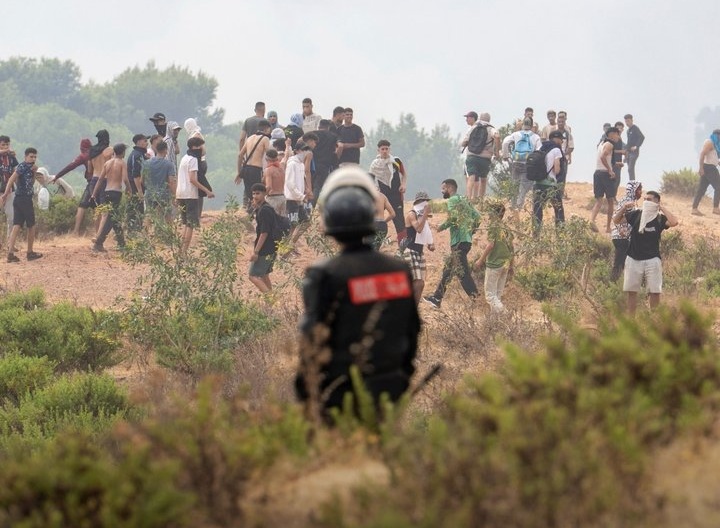

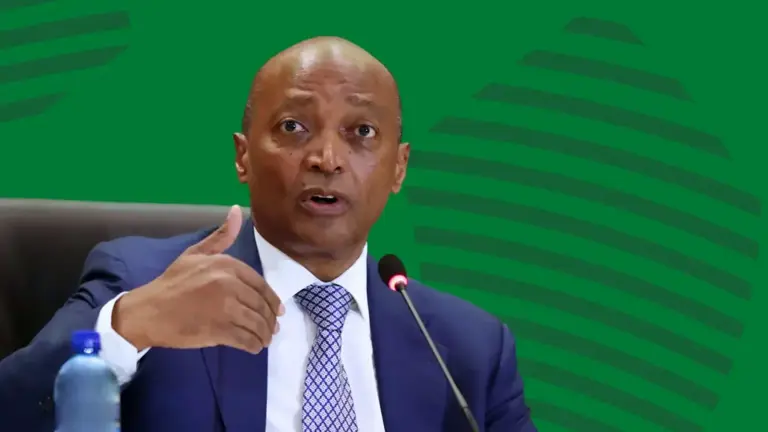
CAF President Patrice Motsepe has expressed strong disappointment over the incidents that marred the final of the 2025 Africa Cup of Nations between Morocco and Senegal, following a controversial ruling by the CAF Disciplinary Committee.
In an official statement published on the CAF website on Friday, Motsepe described the scenes during the final as “unacceptable,” admitting that he was deeply concerned by what transpired at the tournament’s climax. Despite his concerns, the CAF President stressed that he respects the authority of CAF’s judicial bodies and will comply fully with their decisions.
“I was extremely disappointed with the unacceptable incidences that took place at the Finals of the TotalEnergies CAF AFCON Morocco 2025,” Motsepe stated, adding that he remains committed to upholding the rulings of CAF’s disciplinary institutions.
However, in a move that signals growing dissatisfaction within the leadership of African football, Motsepe announced that the CAF Executive Committee will convene to conduct a comprehensive review of existing regulations, with particular focus on the CAF Disciplinary Code. According to him, the aim is to ensure that judicial bodies are adequately empowered to impose sanctions that are firm, appropriate, and capable of deterring future misconduct.
While Motsepe stopped short of openly criticising the disciplinary ruling, his comments suggest that the sanctions handed down may not have fully addressed the gravity of the incidents. He emphasised the need to protect the reputation and integrity of African football, stating that CAF competitions must continue to command respect and global credibility.
“The reputation, integrity, respect and global competitiveness of African football and CAF competitions must always be protected,” he noted.
The CAF President also addressed concerns surrounding officiating, acknowledging improvements in refereeing standards across the continent. He reaffirmed CAF’s commitment to providing increased financial and technical support to referees, VAR officials, and match commissioners to enhance professionalism and public trust.
“It is essential that African referees, VAR operators and match commissioners are seen, respected and recognised as impartial, fair and world-class,” Motsepe added.
Behind the carefully measured remarks lies a delicate balancing act for CAF leadership—seeking to reassure stakeholders, respond to widespread concerns, and safeguard the independence of its judicial systems without weakening institutional authority. Whether the proposed regulatory reforms will be enough to restore full confidence in CAF’s disciplinary processes remains a key question for African football going forward.



Comments (0)
No comments yet.
Only registered users can comment.
Sign in or create a free account to join the discussion.