


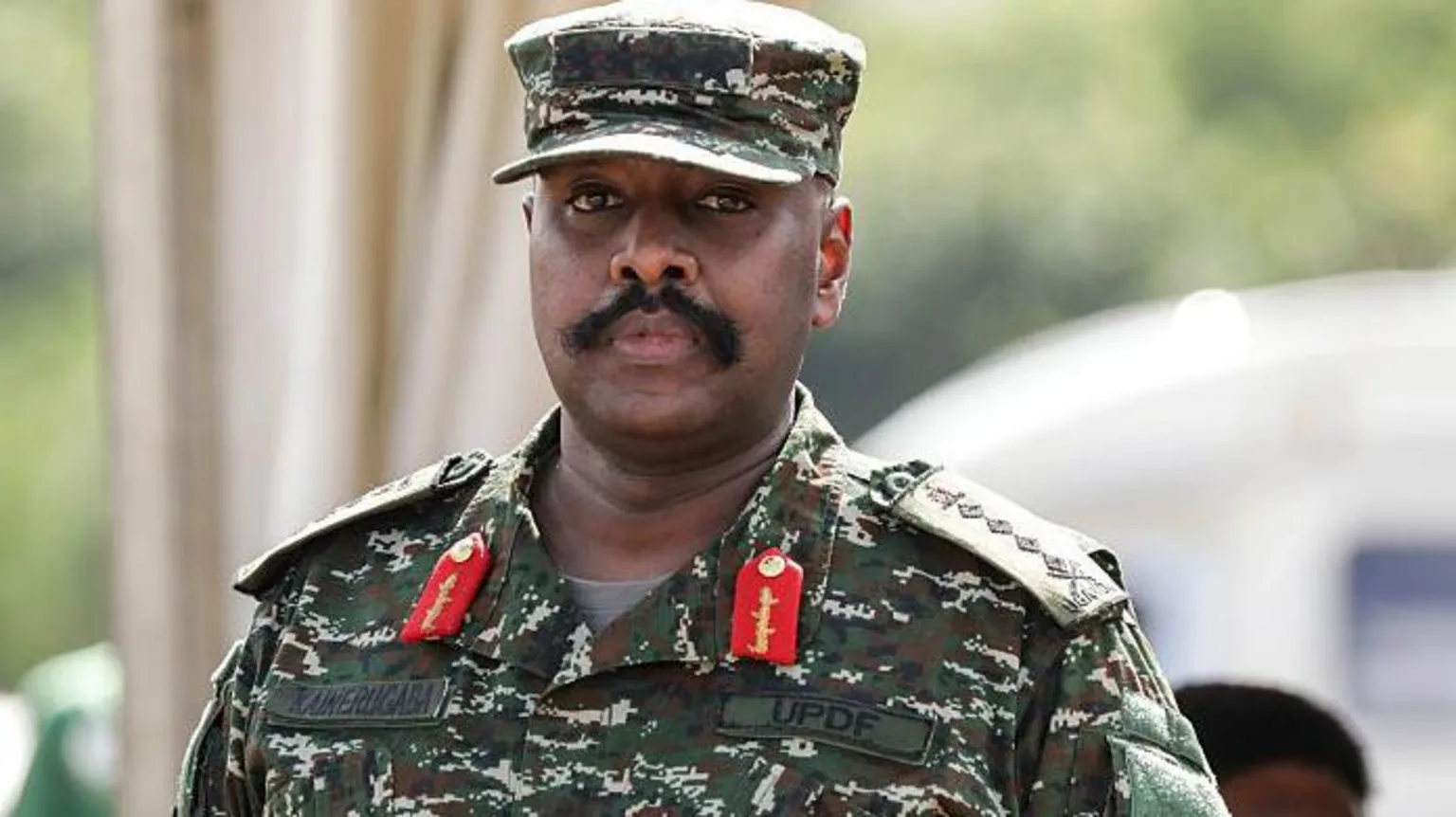
Uganda’s Chief of Defence Forces, Gen Muhoozi Kainerugaba, has once again ignited controversy after making extreme and inflammatory remarks against opposition leader Bobi Wine, including a threat to castrate him and a claim of divine descent from Jesus Christ.
Gen Kainerugaba, the son of long-serving President Yoweri Museveni, is widely known for his provocative and often volatile presence on social media, particularly on X (formerly Twitter). In posts made during and after Uganda’s fiercely contested presidential election, the army chief openly discussed the killing of opposition supporters and issued threats against Bobi Wine following the opposition leader’s rejection of the election results.
The posts, many of which were later deleted, included a warning giving Bobi Wine 48 hours to surrender to security forces, with Kainerugaba stating that failure to do so would result in him being treated as a rebel. In one of the most shocking remarks, the general threatened to have Wine’s testicles removed. Although the specific tweet was deleted, screenshots shared by Wine remain in circulation.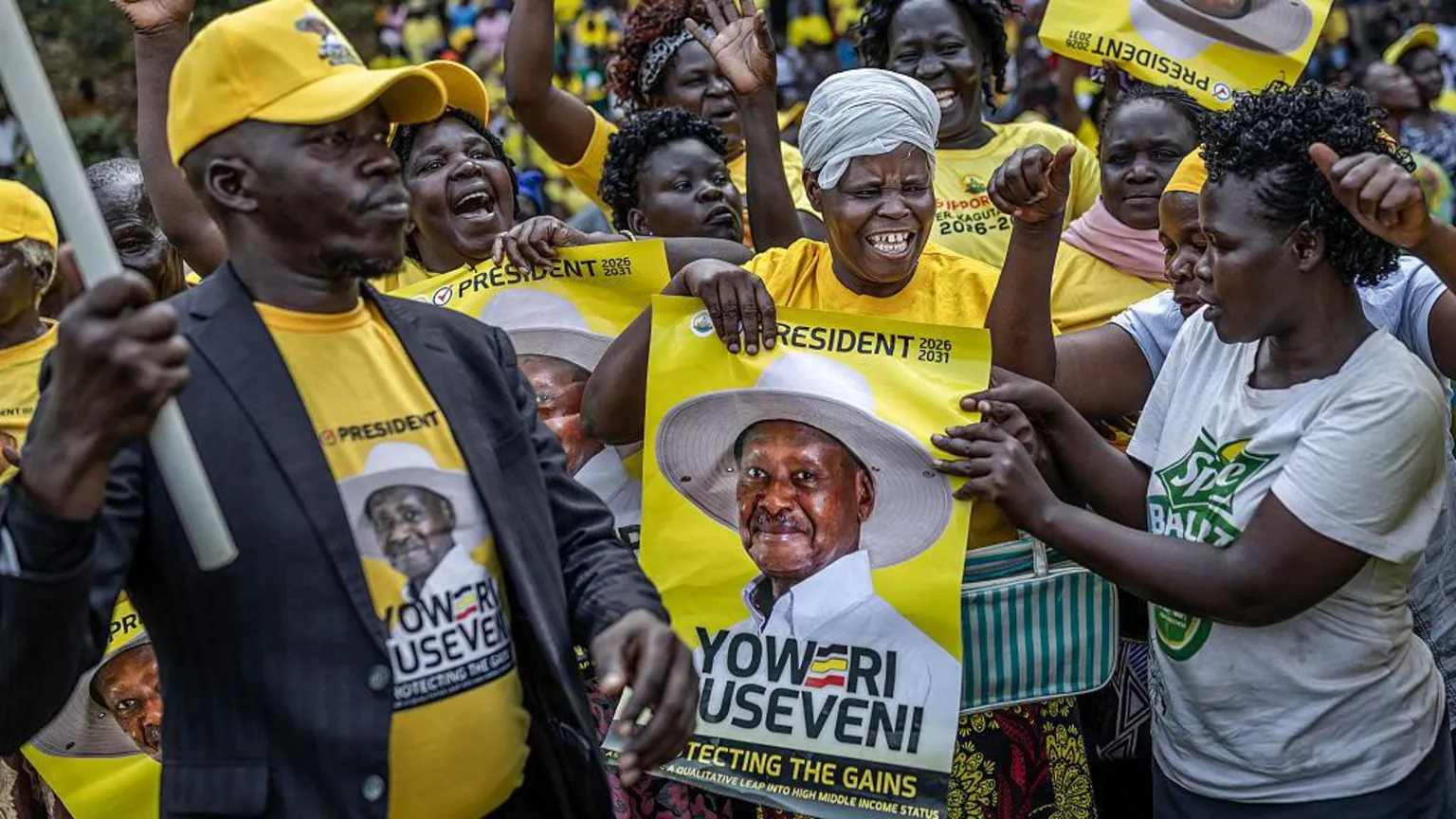
President Museveni, 81, secured a seventh term in office with over 70% of the vote, a result that Bobi Wine dismissed as fraudulent, citing alleged ballot-stuffing and voter intimidation. Analysts believe the election could mark Museveni’s final term, with growing signs that his 51-year-old son is being positioned as a successor.
Political analysts and opposition supporters describe Uganda’s power structure as an “unholy trinity”—a term likening the country’s leadership to a distorted version of the Christian Holy Trinity. The trio is said to consist of Museveni as the “Father,” Muhoozi Kainerugaba as the “Son,” and the president’s influential brother, Salim Saleh, as the “Spirit.”
The phrase has gained traction both among critics and supporters. Last year, former parliamentary speaker Anita Among openly used the analogy while campaigning for Museveni, drawing backlash for blending religion with politics.
Kainerugaba’s rhetoric has not been limited to politics alone. Earlier this month, he claimed on X that his “bloodline is from Jesus Christ,” a statement that further fueled criticism and raised concerns about the militarisation of political discourse in Uganda.
Despite government officials insisting that Bobi Wine is free to carry out his political activities, Kainerugaba posted messages stating that the opposition leader was wanted “dead or alive.” He later accused the United States of aiding Wine’s escape and announced the suspension of military cooperation with Washington—remarks he later walked back, blaming “wrong information” and issuing a public apology.
The general has since said he intends to reduce his activity on social media, though he has made similar promises in the past before returning online.
Kainerugaba’s controversial statements have previously strained Uganda’s diplomatic relations. In 2022, he sparked outrage after threatening to invade neighbouring Kenya, forcing President Museveni to personally apologise to Kenyan President William Ruto.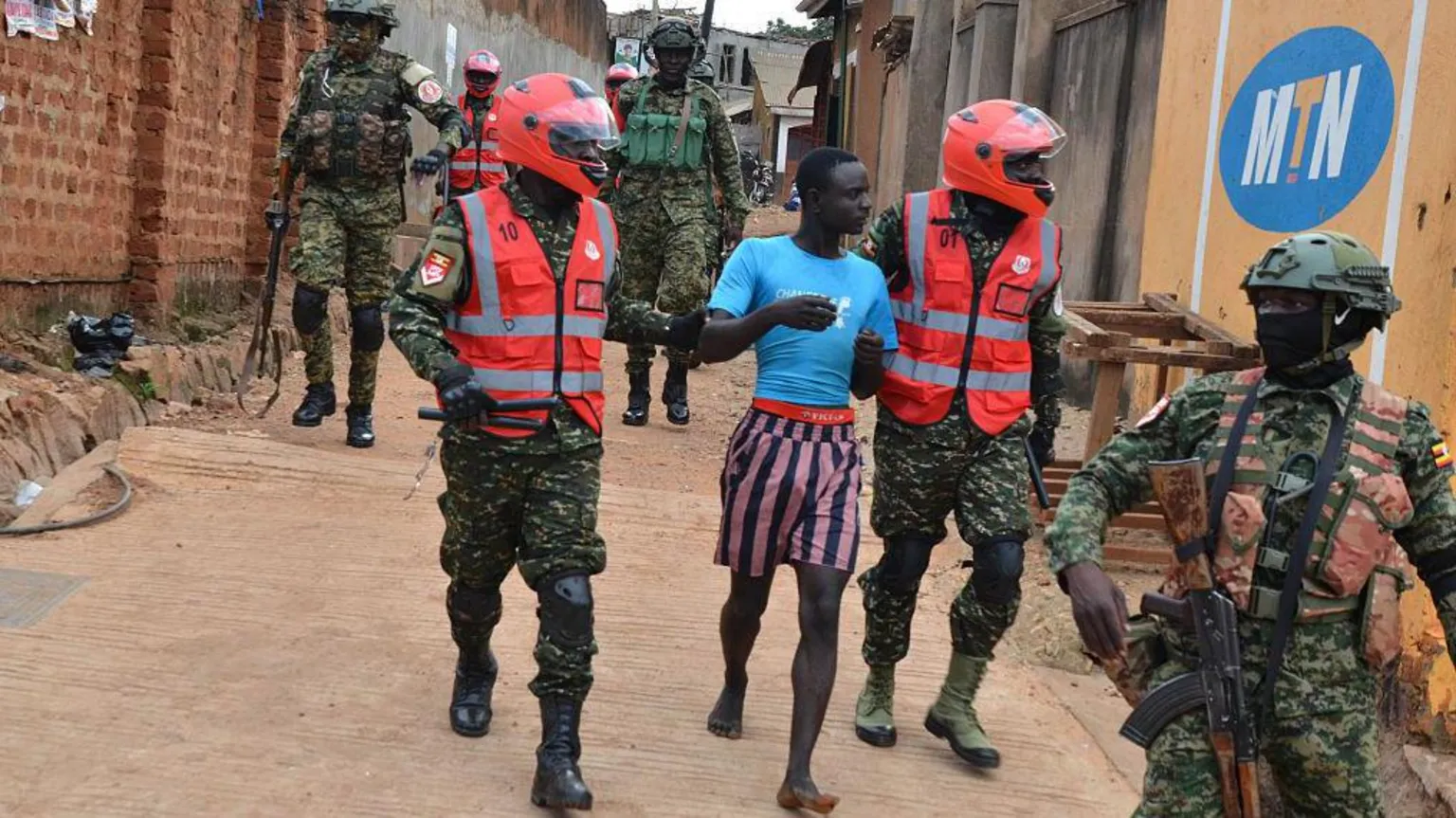
Human rights groups and international observers have raised serious concerns about Uganda’s political environment. The United Nations described the recent election as taking place amid widespread repression, intimidation, and violence against the opposition. By Kainerugaba’s own admission, at least 30 people were killed and more than 2,000 detained during the post-election period.
The army chief has also been linked to the four-day nationwide internet blackout imposed during the elections and to the activities of the Special Forces Command (SFC)—an elite unit tasked with protecting the president and accused of abducting and torturing opposition supporters. While the unit denies systemic abuse, several of its officers have been convicted in high-profile cases.
As Uganda’s political future remains uncertain, critics argue that Gen Kainerugaba’s conduct highlights the growing fusion of military power, family rule, and political authority—raising questions about succession, democracy, and civil liberties in the East African nation.

Comments (0)
No comments yet.
Only registered users can comment.
Sign in or create a free account to join the discussion.