
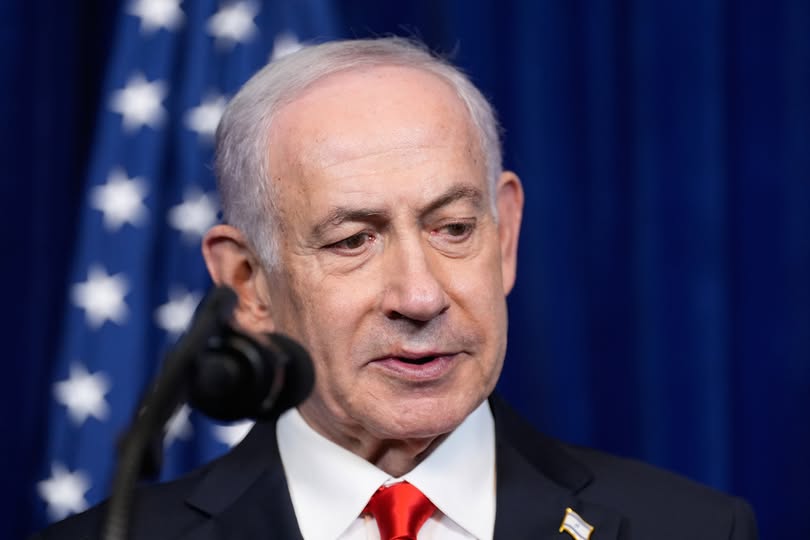
Israeli Prime Minister Benjamin Netanyahu is heading to Washington, D.C., this week for a high-stakes meeting with U.S. President Donald Trump, where he says he will present “principles” for ongoing negotiations with Iran — in a move aimed at shaping the future of Middle East diplomacy and regional security.
Netanyahu’s visit comes amid renewed diplomatic efforts between the U.S. and Iran, including indirect talks held recently in Oman. The Israeli premier has said that negotiations with Tehran will be the top priority of his discussions with Trump, alongside broader regional issues such as the conflict in Gaza.
Before departing for Washington, Netanyahu told reporters he plans to convey Israel’s approach and views on how talks with Iran should proceed, describing these principles as critical not only for Israel’s security but also for “anyone in the world who seeks peace and security in the Middle East.”
What Netanyahu Wants to Emphasize
According to statements from his office and Israeli media reports, Netanyahu is expected to urge Trump to adopt a tougher negotiating stance with Iran — one that goes beyond nuclear issues to include restrictions on:
-
Ballistic missile development
-
Iran’s support for regional militant groups such as Hezbollah and Hamas
-
Broader security threats facing Israel and its neighbors
This expanded agenda reflects deep Israeli concerns that a narrow deal focused solely on nuclear limitations could leave Iran’s broader military and strategic capabilities intact.
Timing and Context of the Meeting
The meeting with President Trump — reportedly the seventh between the two leaders since Trump’s return to office — was moved up amid a perception in Jerusalem that Israel’s position needed to be clarified directly at the highest level of U.S. leadership.
Trump has described recent U.S.-Iran talks as “very good,” and Iran has signaled its willingness to negotiate on nuclear issues. However, Tehran has resisted demands to expand talks to include missile programs and regional influence, arguing those matters lie outside the scope of current negotiations.
Iran Issues Warning
Iran’s government has criticized Netanyahu’s visit, suggesting that his engagement in Washington could undermine diplomatic efforts. Iranian officials argue that the focus should remain on de-escalating tensions and avoiding actions that could derail progress toward diplomacy.
Strategic Implications
This diplomatic encounter arrives at a critical juncture in U.S.–Iran relations. With both Washington and Tehran indicating a renewed interest in negotiations, Israel’s push for a more comprehensive framework underscores the complex and overlapping security concerns in the region. Analysts say Netanyahu’s intervention highlights the deep interconnectedness of nuclear, missile, and proxy dynamics — and the challenge of crafting a deal that satisfies all stakeholders while maintaining stability.
What to Watch
The Washington meeting will be closely monitored by governments and analysts around the world, with key questions including:
-
Whether Trump will embrace Netanyahu’s broader principles
-
How Tehran responds to expanded demands
-
Whether any new diplomatic momentum can be sustained
As global attention turns to the U.S. capital, the outcome may shape the future of Middle East diplomacy — and possibly influence pathways away from conflict and toward negotiated solutions.


Comments (0)
No comments yet.
Only registered users can comment.
Sign in or create a free account to join the discussion.