






Accra, Ghana — Ghana has activated emergency diplomatic protocols and begun a partial evacuation of its embassy in Tehran following joint military strikes by the United States and Israel on Iran.
The Ministry of Foreign Affairs confirmed that several staff members have been withdrawn from the Embassy of Ghana in Tehran, while essential personnel remain on the ground to coordinate assistance for Ghanaian nationals.
The move comes amid rising tensions in the Middle East after coordinated US–Israeli air operations reportedly targeted Iranian drone facilities, missile production sites, and command centres.
Why Ghana Is Evacuating Its Tehran Embassy
According to an official statement issued on February 28, 2026, the Ministry said it is “closely monitoring with serious concern the escalating hostilities.”
The government has activated an emergency preparedness plan and is assessing whether a broader evacuation of Ghanaian nationals will become necessary.
The partial evacuation reflects what officials describe as Ghana’s “Citizen First” foreign policy — prioritising the safety of Ghanaians abroad during global crises.
Countries Where Ghanaians May Be at Risk
The escalation has heightened security concerns for Ghanaians living in:
-
Bahrain
-
Kuwait
-
Qatar
-
United Arab Emirates
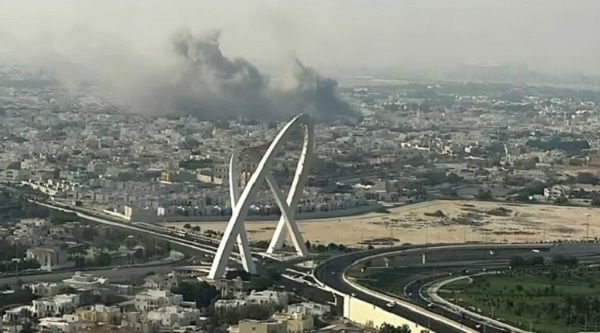
Urban centres in the Gulf region have reportedly experienced heightened military activity following retaliatory missile launches.
Security analysts warn that regional proxy responses could expand beyond immediate targets, increasing risks in commercial and diplomatic zones.
What Triggered the US–Israel Strike on Iran?
Military officials in Washington described the operation as a pre-emptive defensive measure aimed at degrading Iran’s long-range strike capacity.
The strikes reportedly involved advanced fighter aircraft and coordinated cyber operations targeting sensitive military infrastructure in Tehran.
Iran’s Foreign Ministry condemned the attack as an act of aggression and pledged a strong response.
The escalation follows the largest US military buildup in the Middle East since the 2003 Iraq conflict, including the deployment of aircraft carriers such as the USS Gerald R. Ford to the Gulf region.
Ghana Issues Safety Directives to Nationals
The Ministry has directed Ghanaian nationals in affected countries to:
-
Remain indoors where possible
-
Keep travel documents accessible
-
Maintain regular communication with Ghanaian diplomatic missions
A travel advisory has also been issued urging Ghanaians to avoid non-essential travel to and from the Middle East until further notice.
Ghana’s Previous Evacuation Experience
This is not the first time Ghana has responded to tensions involving Iran and Israel.
In June 2025, Ghana temporarily shut its Tehran mission and evacuated nationals through neighbouring Turkey after diplomatic coordination efforts.
Foreign Affairs Minister Samuel Okudzeto Ablakwa led that operation, which successfully repatriated diplomats, students, and professionals.
Officials indicate that the current evacuation strategy builds on lessons from that earlier intervention.
Economic Impact: Oil Prices Surge
Global energy markets reacted swiftly.
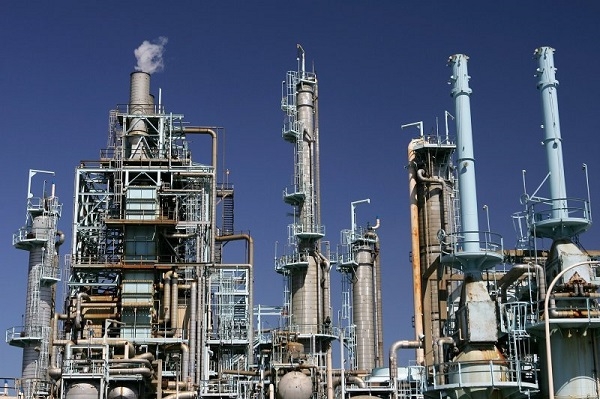
Brent crude prices surged amid fears of instability around the Strait of Hormuz — a critical corridor for global oil shipments.
Economists warn that prolonged conflict could increase fuel prices globally, with possible inflationary effects for import-dependent economies, including Ghana.
Emergency Contacts for Ghanaians Abroad
Ghanaians requiring urgent consular support may contact:
-
+233 240 913 284
-
+233 240 793 072
The Ghana Embassy in Israel can be reached at +972 54 931 6007.
Nationals are strongly encouraged to register with their nearest Ghanaian diplomatic mission immediately.
Regional Stability Under Strain
The unfolding crisis underscores the fragility of Middle East geopolitics and presents a foreign policy test for non-aligned nations navigating a shifting global order.
While Ghana remains geographically distant from the conflict, the safety of its citizens abroad — and the potential economic consequences — place the country directly within its ripple effects.




Comments (0)
No comments yet.
Only registered users can comment.
Sign in or create a free account to join the discussion.