





Ghana’s recent macroeconomic turnaround has not unfolded in a vacuum. It has coincided with a rare convergence of favourable global conditions that allowed domestic reforms to gain traction faster and more deeply than expected.
Single-digit inflation, a sharply firmer Ghana cedi, record-high foreign reserves and a decisive reduction in the policy rate have all emerged against a backdrop of unexpected global economic resilience. Together, these factors have helped Ghana transition from crisis containment to momentum building.
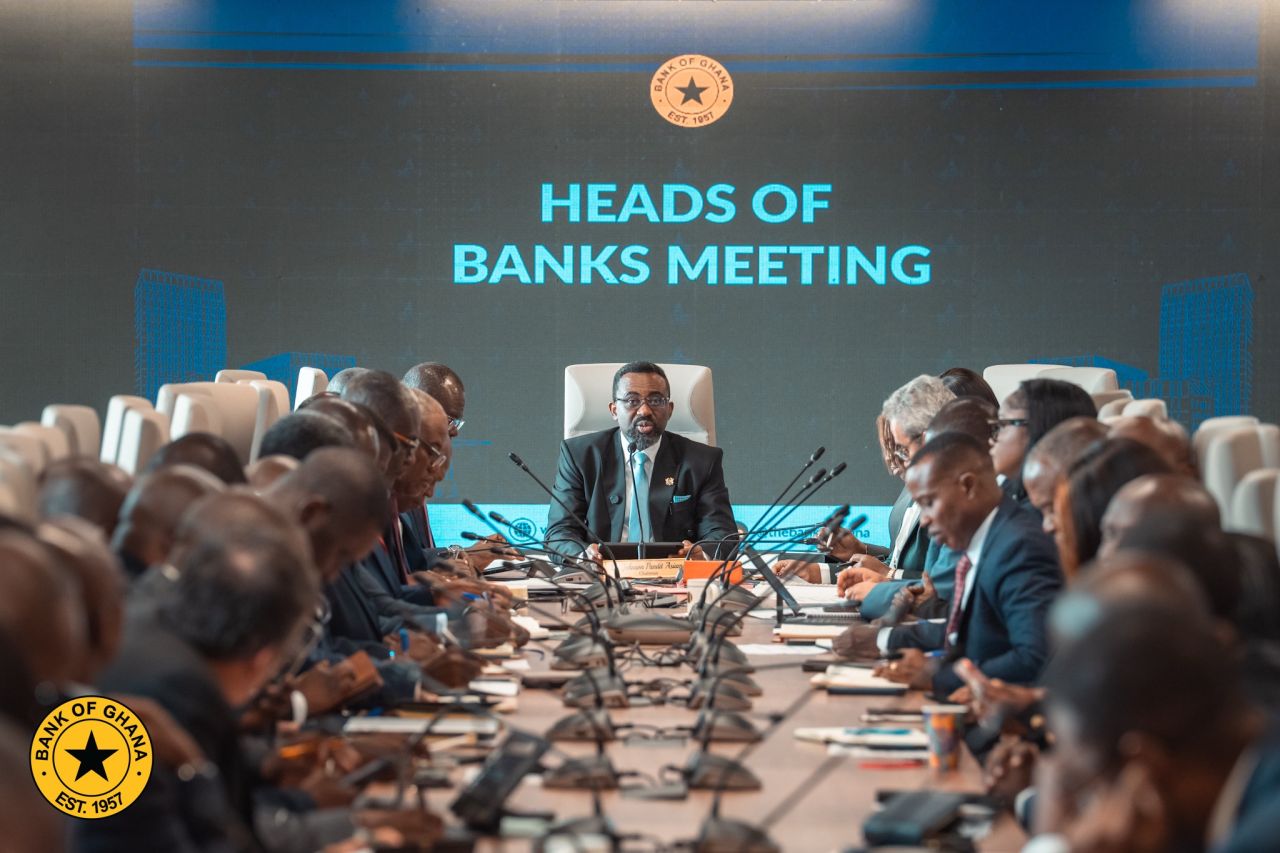
The Bank of Ghana’s Monetary Policy Committee (MPC) reports that headline inflation declined to 5.4 per cent in December 2025. On January 28, 2026, the MPC cut the policy rate by 250 basis points to 15.50 per cent, citing significant macroeconomic improvement and well-anchored inflation expectations.
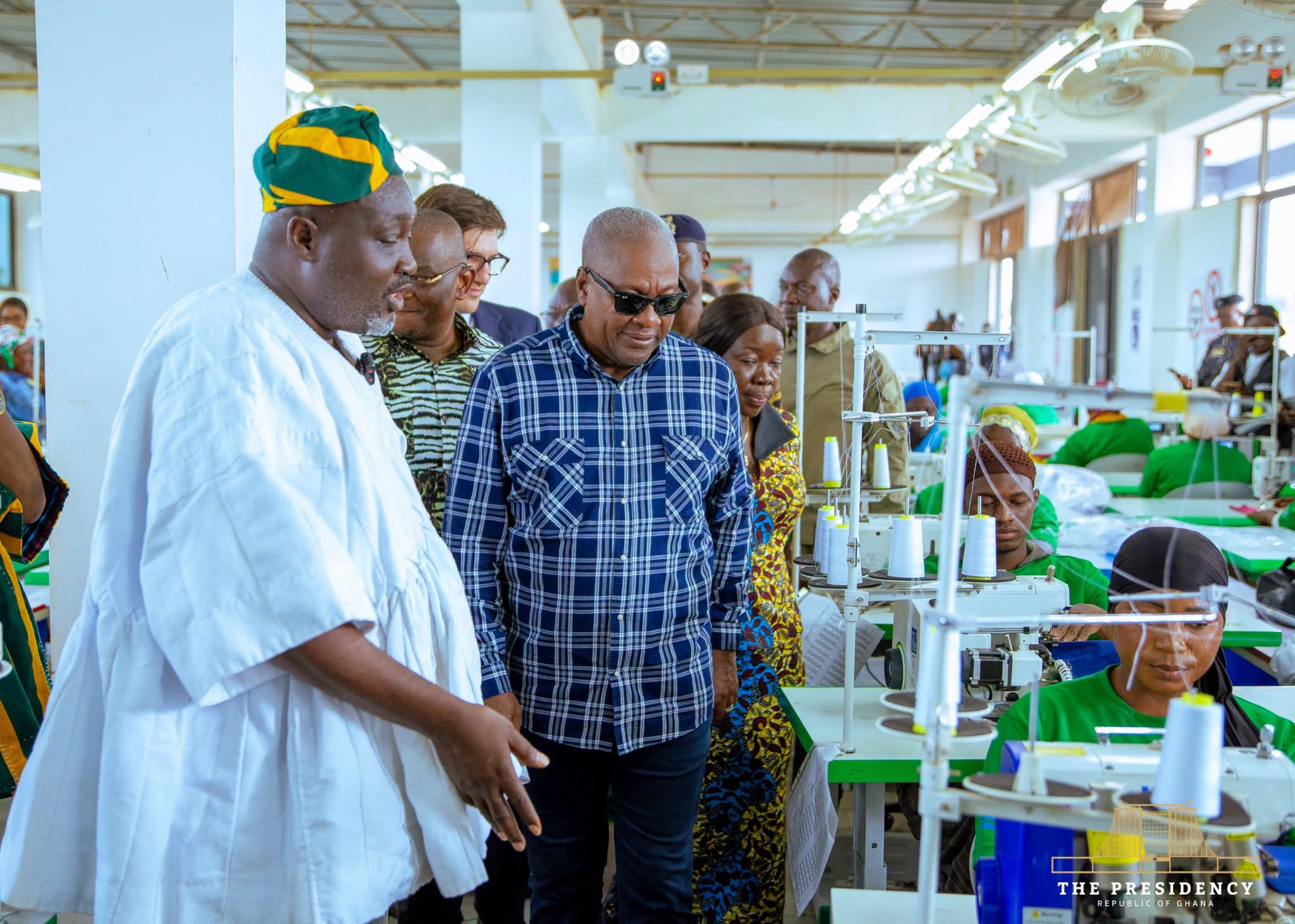
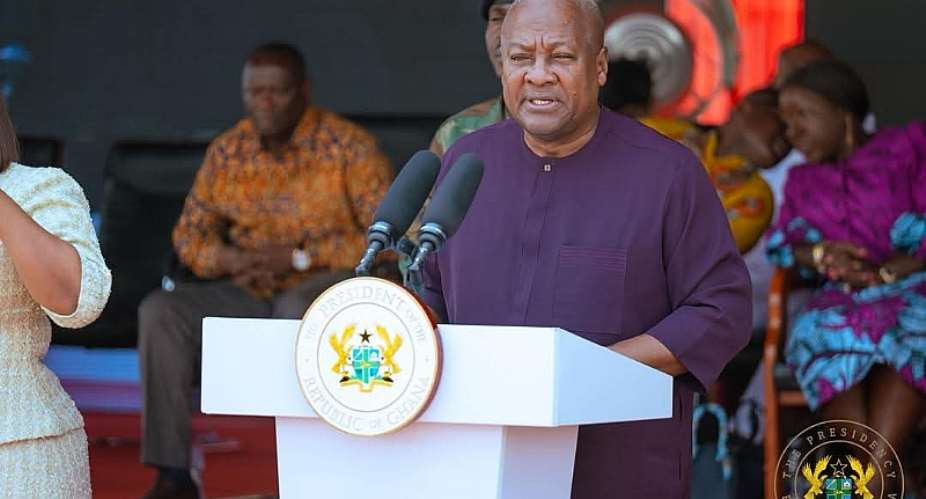
While the reset reflects disciplined domestic policy choices under the Mahama administration, it was reinforced by a global environment that reduced the cost and risks of adjustment.
Global Resilience and the External Boost
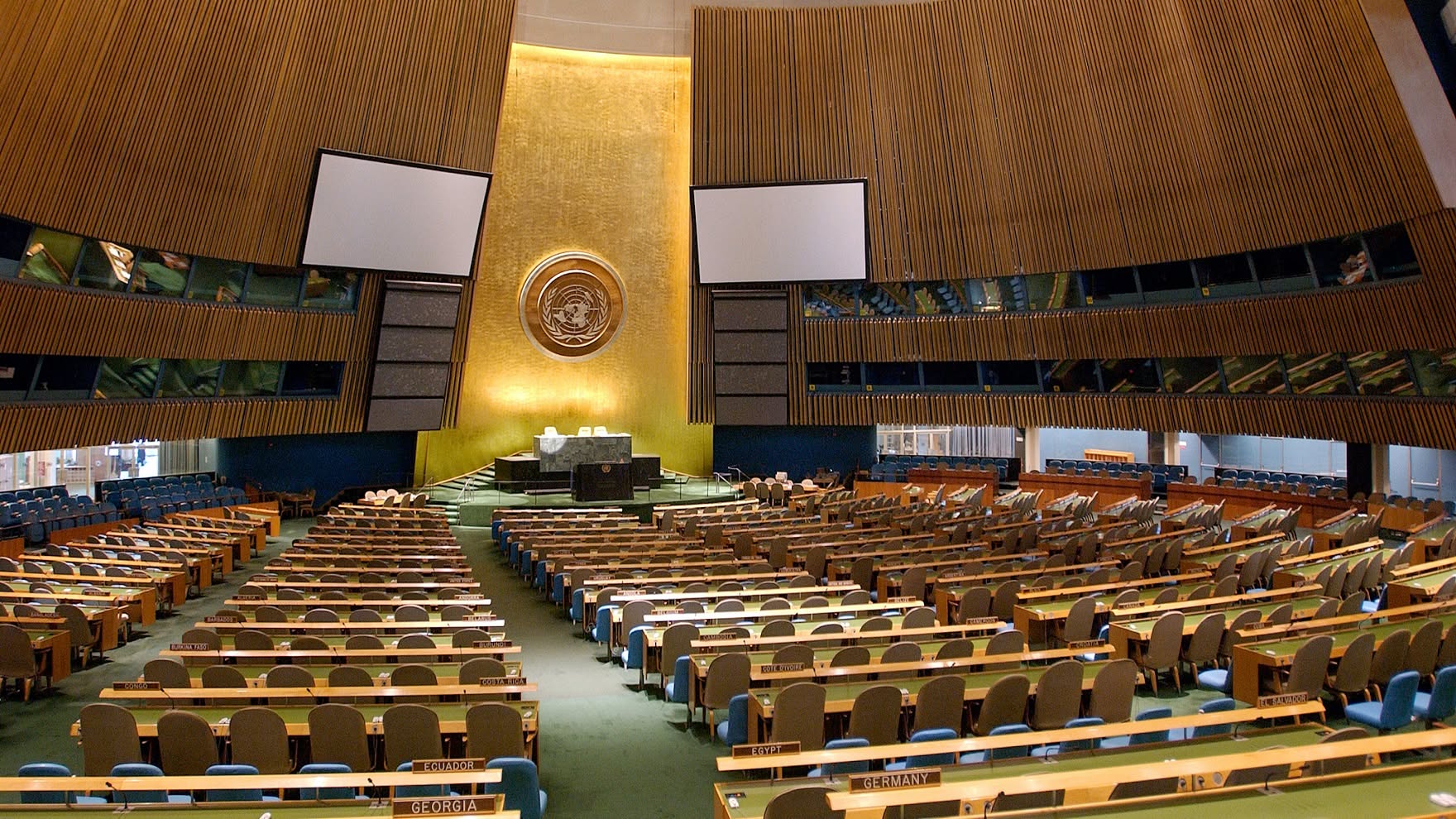
The International Monetary Fund (IMF) projects global growth of 3.3 per cent in 2026, underpinned by easing financial conditions, declining trade frictions and a surge in technology investment linked to artificial intelligence (AI).
IMF Chief Economist Pierre-Olivier Gourinchas has noted that firms have adapted to trade shocks, while AI-driven capital spending has provided a meaningful counterweight to global headwinds.
For emerging economies such as Ghana, lower global inflation and a softer US dollar through much of 2025 eased import-price pressures. This made domestic disinflation more durable and gave policymakers greater confidence to begin easing monetary conditions.
The World Bank’s latest commodity outlook reinforces this trend, projecting further declines in energy and food prices into 2026—strengthening the external disinflation impulse already highlighted by the MPC.
AI Investment Wave and Financial Transmission
The IMF attributes part of the global economy’s resilience to a sharp rise in AI-related capital expenditure, particularly in data centres, semiconductors and cloud infrastructure. This surge boosted global investment and loosened financial conditions.
Ghana experienced clear spillovers. Money-market rates fell sharply, with the 91-day Treasury bill yield hovering around 11.2 per cent in mid-January 2026, down from over 27 per cent a year earlier.
Average lending rates declined by roughly 10 percentage points in 2025, while real private-sector credit growth rebounded to 13.1 per cent. This rare combination of falling nominal rates and rising real credit enabled a shift from stabilisation to real-sector recovery.
However, risks remain. The IMF cautions that the AI investment cycle is highly concentrated and vulnerable to correction. Any reversal could tighten global financial conditions and test frontier markets that benefited from heightened risk appetite.
Dollar Weakness and the Cedi’s Comeback
Currency dynamics played a critical role. A weaker US dollar through much of 2025 eased pressure across emerging markets.
Supported by tight monetary policy, liquidity discipline and aggressive reserve accumulation, the Ghana cedi staged a remarkable rebound—appreciating by 40.7 per cent in 2025 after depreciating by 19.2 per cent in 2024.
Gross international reserves rose to US$13.8 billion by end-2025, equivalent to 5.7 months of import cover, up from US$9.1 billion a year earlier. These buffers now anchor confidence even as global currency conditions remain uncertain.
Commodities: A Supportive Mix
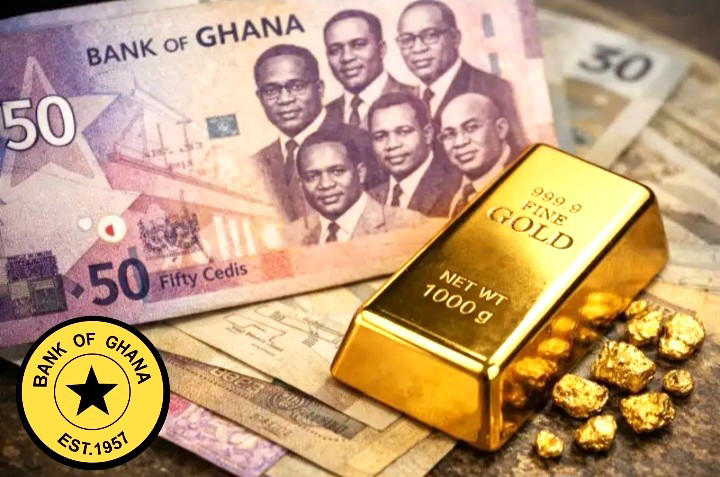
Commodity markets also tilted in Ghana’s favour. While the World Bank projects broad declines in energy and food prices into 2026, gold prices remained historically elevated, driven by safe-haven demand and sustained central-bank purchases.
This proved advantageous for Ghana as both an oil importer and a major gold exporter. The MPC reports a provisional current-account surplus of US$9.1 billion in 2025 and a balance-of-payments surplus of US$3.98 billion, driven largely by strong gold exports and private transfers.
Cocoa prices, however, corrected sharply in 2025 after record highs in 2024, though they remained above pre-2023 levels. In response, authorities raised the 2025/26 producer price by about 12 per cent to protect farmer incomes and limit cross-border smuggling.
Fiscal Repair and Market Confidence
Fiscal performance improved markedly. By November 2025, the overall fiscal deficit had narrowed to 0.5 per cent of GDP, well below target, while the primary surplus reached 2.8 per cent of GDP.
Public debt declined to 45.5 per cent of GDP, from 63.1 per cent a year earlier. This consolidation reopened domestic financing channels at lower costs and restored investor confidence.
Ghana’s January 2026 Treasury bill auctions, which were consistently oversubscribed at declining yields, reflected that renewed market trust.
Banking Sector: Recovery with Guardrails
The banking sector has moved from shock absorption to renewed intermediation. The central bank describes the system as solvent and profitable, with asset growth driven by deposits and improved capital positions.
Non-performing loans fell to 18.9 per cent in December 2025, down from 21.8 per cent a year earlier. While still elevated, regulators are addressing legacy assets and tightening underwriting standards to sustain credit growth.
Ghana in the Regional Picture
The IMF’s outlook for Sub-Saharan Africa suggests modest growth gains and easing inflation into 2026, though financing constraints and debt pressures persist across much of the region.
Against this backdrop, Ghana stands out. Single-digit inflation, a primary surplus, stronger reserves and a credible policy pivot position the country among Africa’s more stable economies.
Increasingly, Ghana is cited as a reference point for how disciplined policy—when matched with reform credibility—can restore stability and support growth.
Securing the Gains
The challenge now is durability. Fiscal credibility must be entrenched through transparent rules and prudent debt management. Monetary policy must remain data-driven, with readiness to pause if global conditions tighten.
Non-debt foreign exchange inflows should be expanded beyond gold into services, value-added exports and diaspora savings instruments. Agriculture must remain a priority to sustain food supply and lock in low inflation.
Finally, policymakers must hedge against a potential reversal in the global tech cycle by managing foreign-exchange exposure and maturity mismatches.
Bottom Line
Ghana’s stabilisation is real. It reflects tough domestic choices, credible leadership and policy discipline under the Mahama administration.
But it has also been amplified by favourable global tailwinds—softer inflation, a weaker dollar, supportive commodity prices and buoyant global investment.
The task for 2026 is clear: convert this rare alignment of policy credibility and global luck into lasting economic strength before the winds change.


Comments (0)
No comments yet.
Only registered users can comment.
Sign in or create a free account to join the discussion.