






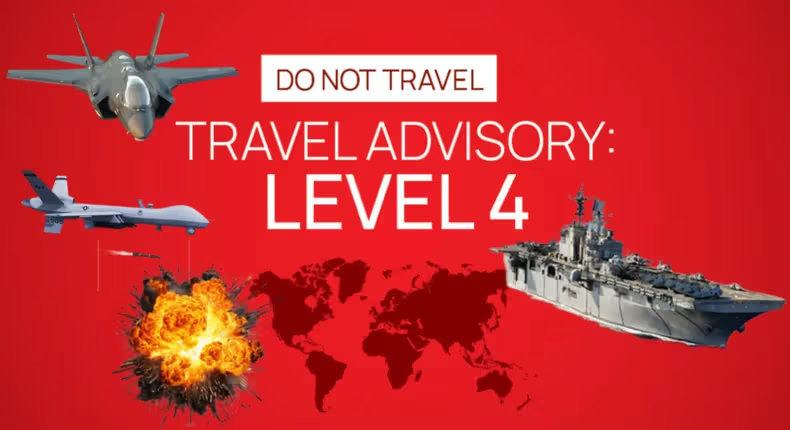
On January 30, 2026, the United States Department of State issued a Level 4 “Do Not Travel” advisory for Niger, citing escalating security threats and ordering the departure of non-emergency U.S. personnel and their families.
This advisory, the highest in the U.S. travel system, highlights terrorism, kidnapping, violent crime, civil unrest, and limited emergency and healthcare infrastructure as major risks.
Recent Security Incidents in Niger
The alert follows a series of violent incidents, including a gunfight at Diori Hamani International Airport in Niamey, attributed to Islamic State-affiliated groups. These events have underscored the increasing danger to foreigners and U.S. personnel, particularly outside the capital.
Under the new advisory:
-
Foreigners must travel with Nigerien military escorts when outside Niamey.
-
U.S. government employees are instructed to use armored vehicles, follow strict curfews, and avoid open-air markets and restaurants.
-
Routine consular services are limited outside the capital, and terrorist threats remain active nationwide.
Africa Now Dominates Level 4 Travel Alerts
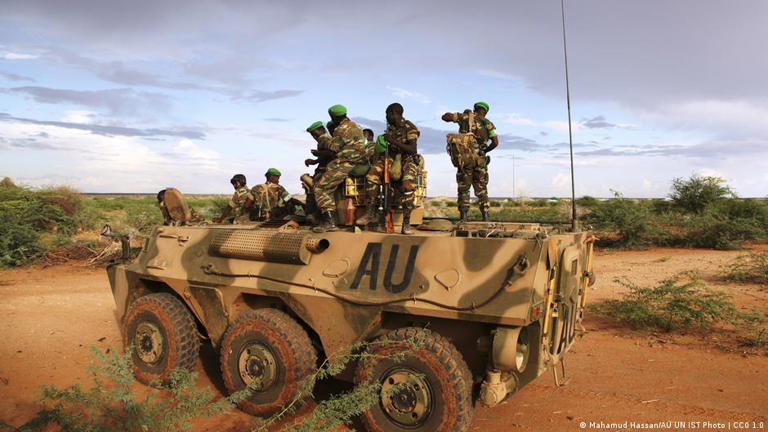
Niger’s inclusion brings to eight the number of African countries under the highest U.S. travel alert. Other nations on this list include Libya, Mali, Burkina Faso, Central African Republic, South Sudan, Sudan, Somalia, and parts of the Sahelian corridor.
The trend reflects broader instability across the continent:
-
Jihadist groups exploit weak governance and porous borders in the Sahel.
-
Coups, military regimes, and political crises have strained international security cooperation.
-
Long-running conflicts in Sudan, South Sudan, and other regions continue to undermine civilian safety and humanitarian access.
TravelGov on X: "Niger: The Department of State ordered non-emergency government employees and their family members to leave Niger on January 30 due to safety risks. The U.S. government cannot offer routine or emergency services to U.S. citizens outside of Niamey due to safety risks. Do not https://t.co/loKdzVuwcx" / X
Implications for Travel, Investment, and Diplomacy
Level 4 advisories have far-reaching consequences beyond travel warnings:
-
Tourism declines sharply.
-
Foreign investment decisions are delayed or cancelled.
-
Diplomatic engagement is limited as embassies scale back operations.
Experts say the rising number of Level 4 advisories signals that structural insecurity, rather than isolated incidents, is increasingly shaping international perceptions of risk across parts of Africa.
Without significant improvements in security, governance, and emergency response, more African states risk further isolation from global travel, trade, and diplomatic networks, U.S. officials warn.





Comments (0)
No comments yet.
Only registered users can comment.
Sign in or create a free account to join the discussion.