



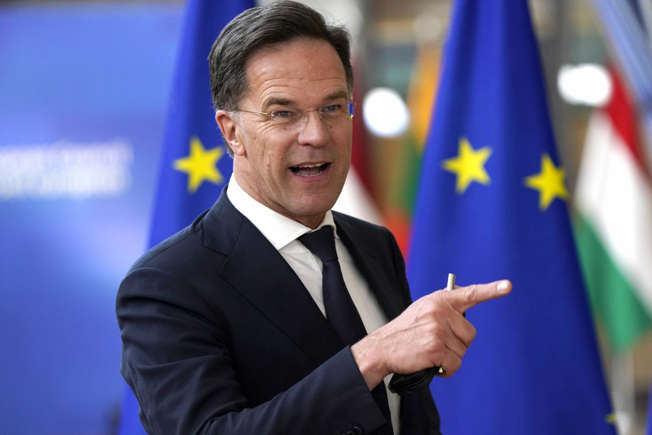
Europe remains reliant on the United States for its defense, NATO Secretary-General Mark Rutte warned Monday, emphasizing that the idea of a fully independent European military is unrealistic. Speaking before lawmakers on the European Parliament’s defense and foreign affairs committees, Rutte said any notion of Europe defending itself without American support is “just dreaming.”
“A European pillar [of NATO] is a bit of an empty word,” Rutte added, cautioning that a European army would create “a lot of duplication” within the alliance. He also noted that Russian President Vladimir Putin would likely welcome such moves.
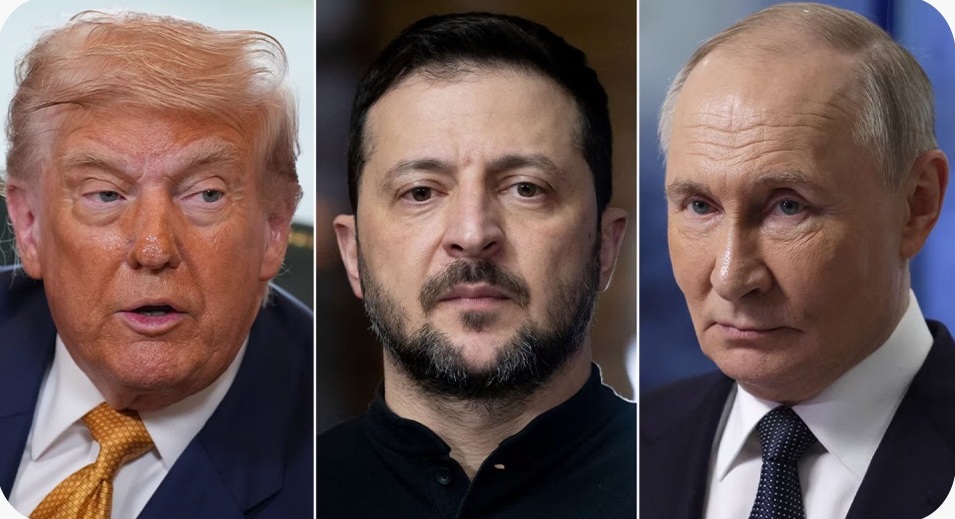
Rutte’s remarks come in the wake of repeated threats from U.S. President Donald Trump to seize Greenland, which had raised tensions within NATO. While Trump later abandoned the threats and reached a compromise over Arctic interests, concerns about the stability of the transatlantic alliance linger.
The NATO chief praised the former U.S. president for prompting all member countries to increase their defense spending to at least 2 percent of GDP last year. “Do you really think Spain, Italy, Belgium, or Canada would have moved from 1.5 to 2 percent without Trump? No way,” he said. Rutte also warned that attempting to defend Europe independently would cost “billions and billions of euros,” particularly to replace America’s nuclear deterrent, and could push defense spending to as high as 10 percent of GDP by 2035.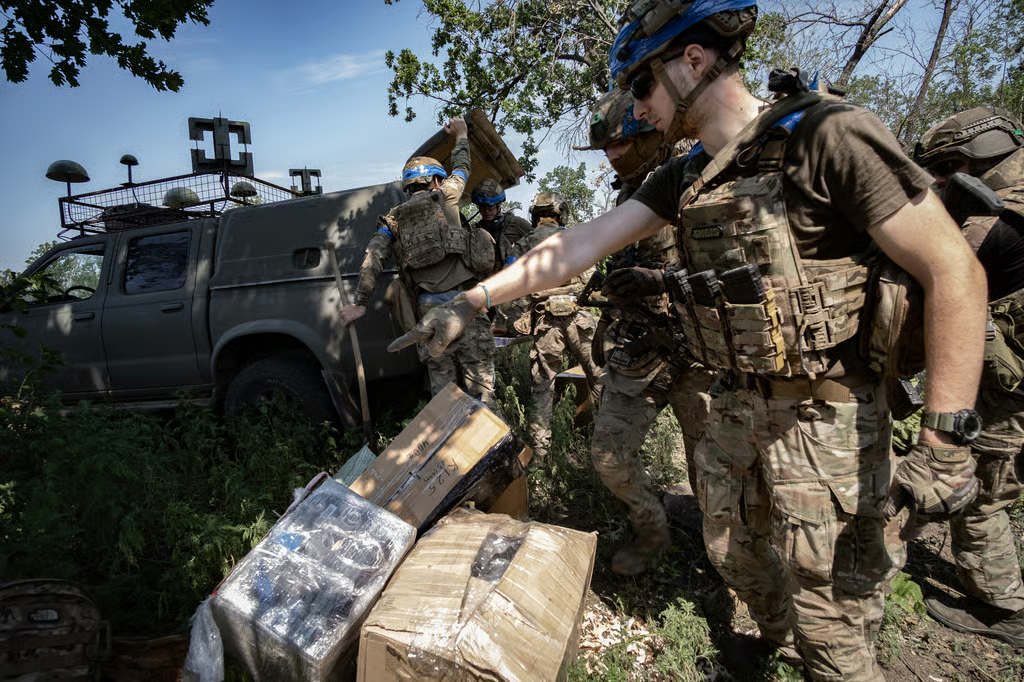
On the issue of Ukraine, Rutte urged the European Union to allow Kyiv flexibility in using the bloc’s upcoming €90 billion loan. He specifically argued against restricting purchases to EU weapons manufacturers, emphasizing that Ukraine must have access to the arms it needs immediately. “Europe is building its defense industry, but it cannot at the moment provide nearly enough of what Ukraine needs to defend itself today,” Rutte said.
Some EU members, including France, Greece, and Cyprus, had pushed to limit the loan to European suppliers, while Germany and the Netherlands advocated for more flexibility. Rutte stressed that restrictive rules would hamper Ukraine’s ability to defend itself effectively and urged policymakers to prioritize Ukraine’s urgent military needs.
Rutte’s comments highlight the enduring importance of U.S. support for Europe’s security, the challenges of building an independent European defense capability, and the complexities of coordinating military and financial assistance to Ukraine amid ongoing tensions with Russia.





Comments (0)
No comments yet.
Only registered users can comment.
Sign in or create a free account to join the discussion.